

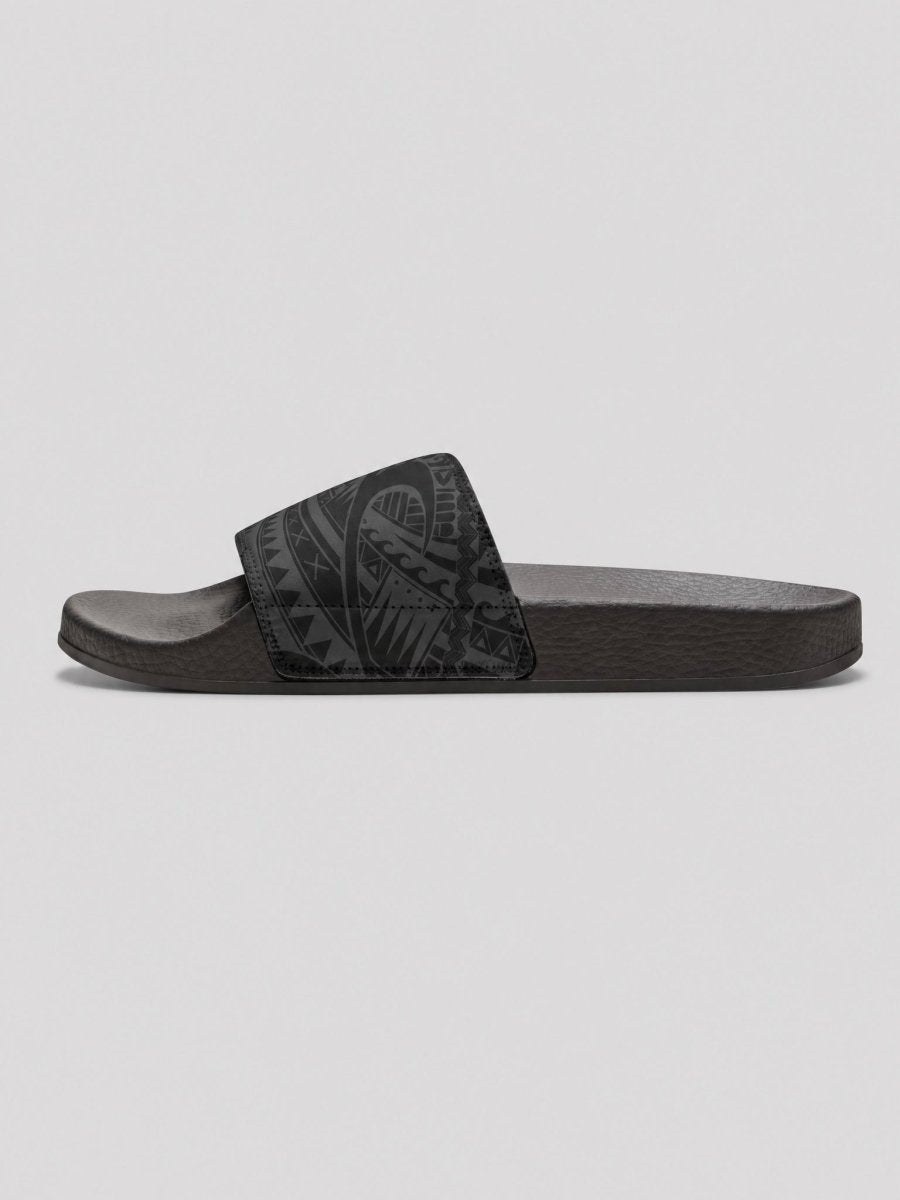
A Pacific summer is sand, salt water and three hours of sun you should not be standing in. The kit that survives it is short and unglamorous: something you can swim in, something on your feet that does not mind water, shade, and one dry thing for afterwards. Everything else is optional. Below is what goes in, what gets left behind every year, and why footwear is the item most people get wrong.
In this article
What do you actually need for a Pacific summer?
Six things. The first four are non negotiable.
- Swimwear you can move in. Not the one that only works lying down
- Slides or sandals. Foam, not leather, not canvas
- Shade. An umbrella outperforms a hat between eleven and three
- A towel. One each. Not one shared
- A dry layer for after. The most forgotten item on the list
- A tote you do not mind ruining. Sand gets into everything
What gets left behind: anything white, anything leather, and the second pair of shoes you were going to change into.
What footwear actually survives sand and salt?
Foam. That is the whole answer and it is why slides beat every other beach shoe.
| Footwear | Survives sand | Dries fast | Verdict |
|---|---|---|---|
| Foam slides | Yes | Minutes | The default. Wash under a tap |
| Strap sandals | Yes | Minutes | Better if you are walking rather than lying down |
| Canvas shoes | No | Hours | Ruined by one wet day |
| Leather thongs | No | Never properly | Looks good for one summer, then cracks |
| Bare feet | Not the issue | n/a | Fine until the car park at 2pm |
The one upgrade worth paying for is a removable strap. It turns a slide into something you can walk to the shops in without changing, which removes the second pair of shoes from the list entirely.

Adult and youth footwear in the same Warrior print, sold together for less than the two separately. Nobody argues about who has the good pair.
See the Summer Edit →Why do dark prints work better at the beach?
Three reasons. Dark swimwear does not go see through when wet. Dark fabric does not show the orange stains that sunscreen leaves on pale material, which ruins more swimwear than chlorine does. And a high contrast print reads from a distance, which pale florals do not.
That last one matters more than it sounds if you are wearing a Pacific pattern on purpose. The point of the pattern is that another Islander clocks it across the sand. A print that disappears at ten metres is doing half its job.

Which summer are you actually shopping for?
Worth checking, because the store serves both hemispheres. In Australia and New Zealand summer runs December to February and the big beach days are Christmas, Boxing Day and New Year. In the United States it runs June to August.
If you are buying across that gap, and a lot of Samoan families are, remember that you are buying into the other person's season. A hoodie posted to Auckland in June is correct. A hoodie posted to Salt Lake City in June is not. The Winter Warm-Up shelf is the other half of this problem.
How much shade do you actually need?
More than a hat provides, and the numbers are not close. In Australia and New Zealand the UV index regularly hits extreme in the middle of the day, and New Zealand in particular gets higher peak UV than comparable latitudes elsewhere because of the thinner ozone above the Southern Hemisphere and the clean air.
The practical version for a beach day is the standard public health advice and it holds up: shade, a shirt, a hat and sunscreen together, rather than any one of them alone. A beach umbrella is doing the heaviest lifting of the four because it covers everyone under it and does not wear off.
Darker skin gives real but partial protection, and this is the piece that gets misunderstood in Pacific families. More melanin means a longer time before burning, not immunity, and skin cancer in Pacific populations is diagnosed later and at a more advanced stage precisely because of that assumption. Shade still applies to you.
Source worth reading: Cancer Council Australia on sun safety.
Nothing here is sitting in a warehouse. Each piece is printed and sewn after the order is placed, which has two consequences worth planning around. The good one is that there is no dead stock, so a print does not get discounted into landfill at the end of a season and sizes that sell slowly still exist. The inconvenient one is the production window: there are several days between you paying and anything being handed to a courier.
The practical rule is three weeks from order to door for Australia and New Zealand, and closer to four if it is crossing an ocean. Work backwards from the date you need it, not forwards from today. There is more on why the model works this way in why made to order is the future of sustainable fashion.
Frequently asked questions
What should I pack for a beach day in the Pacific?
Swimwear you can move in, foam slides, shade, one towel each and a dry layer for afterwards. Leave anything white, leather or canvas at home.
What footwear is best for sand and salt water?
Foam slides or foam strap sandals. They dry in minutes and wash under a tap, where canvas and leather are ruined by one wet day.
Why is dark swimwear better?
Dark fabric does not go see through when wet and does not show the orange staining that sunscreen leaves on pale material. A high contrast print also reads from a distance.
When is summer in Australia and New Zealand?
December to February. In the United States summer runs June to August, which is worth remembering when posting gifts between the two.
Sand, water and shade
Swimwear, footwear, towels and umbrellas in prints that survive salt.
Shop the Summer Edit →Made to order. Allow three weeks before you need it.
Read next: Polynesian Fashion Hub · Samoan Patterns and What They Mean


